The Unexplained Files · Book 1.00
UFOs & Ancient Aliens
From Roswell and the modern UAP era to ancient civilizations and ancient-astronaut claims, explore the evidence behind one of humanity’s most persistent mysteries.
Browse every current release by series, category or detailed topic.
From Roswell and the modern UAP era to ancient civilizations and ancient-astronaut claims, explore the evidence behind one of humanity’s most persistent mysteries.
Travel beyond the conventional beginning of civilization to vanished landscapes, Ice Age settlements and archaeological discoveries that transformed our picture of prehistory.
Investigate ancient monuments, strange artifacts and unanswered archaeological questions—from the Great Pyramid and Stonehenge to Antikythera and the Nazca Lines.

A gripping tour of disappearances, crimes and enduring enigmas—from Amelia Earhart and MH370 to D.B. Cooper, Roanoke, Zodiac and beyond.
Go inside the government record of the UFO phenomenon—from Kenneth Arnold and Roswell to Project Blue Book, CIA files, secret aircraft and the modern UAP era.
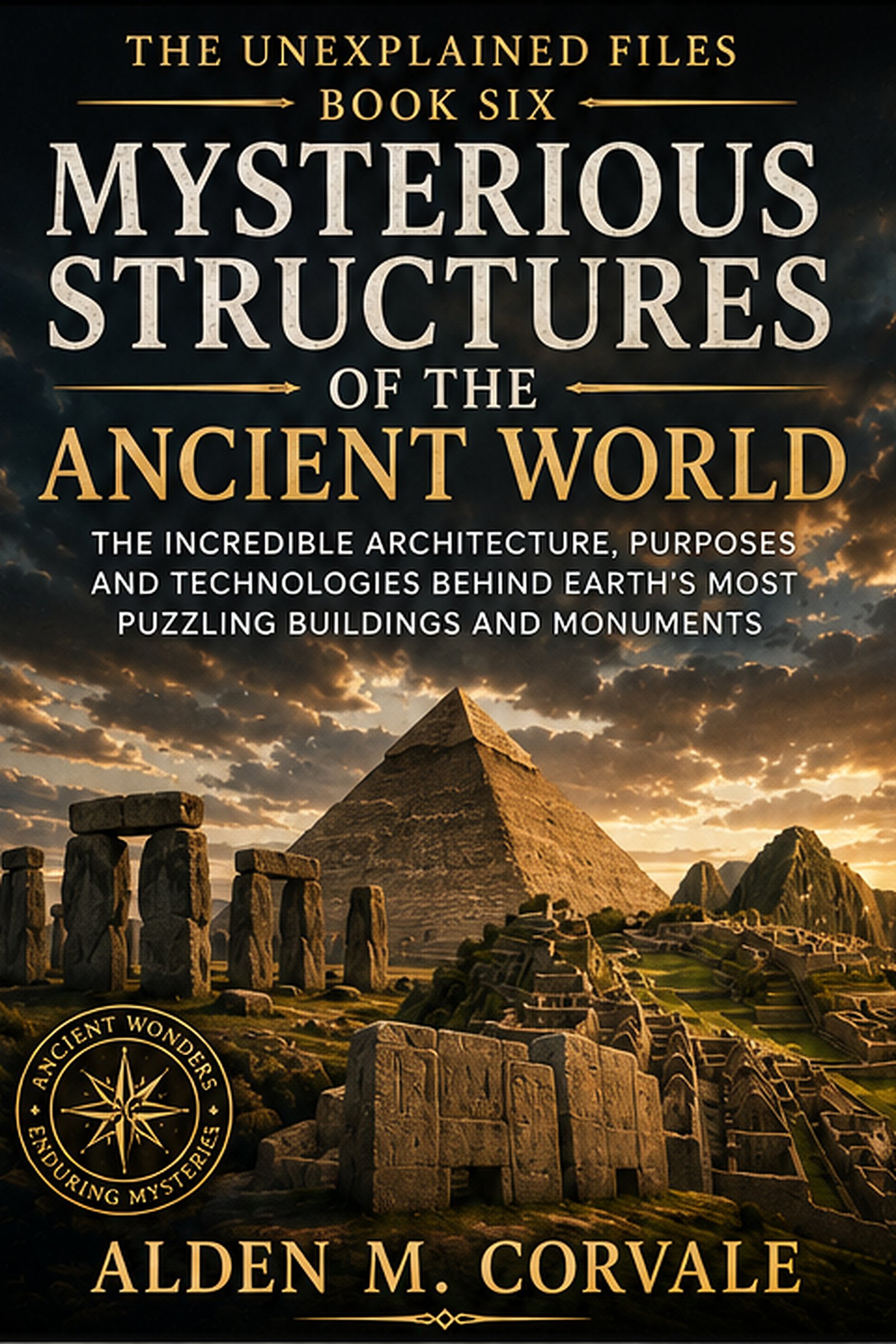
Discover the engineering, purpose and enduring puzzles behind humanity’s most extraordinary ancient monuments, temples, stoneworks and sacred landscapes.
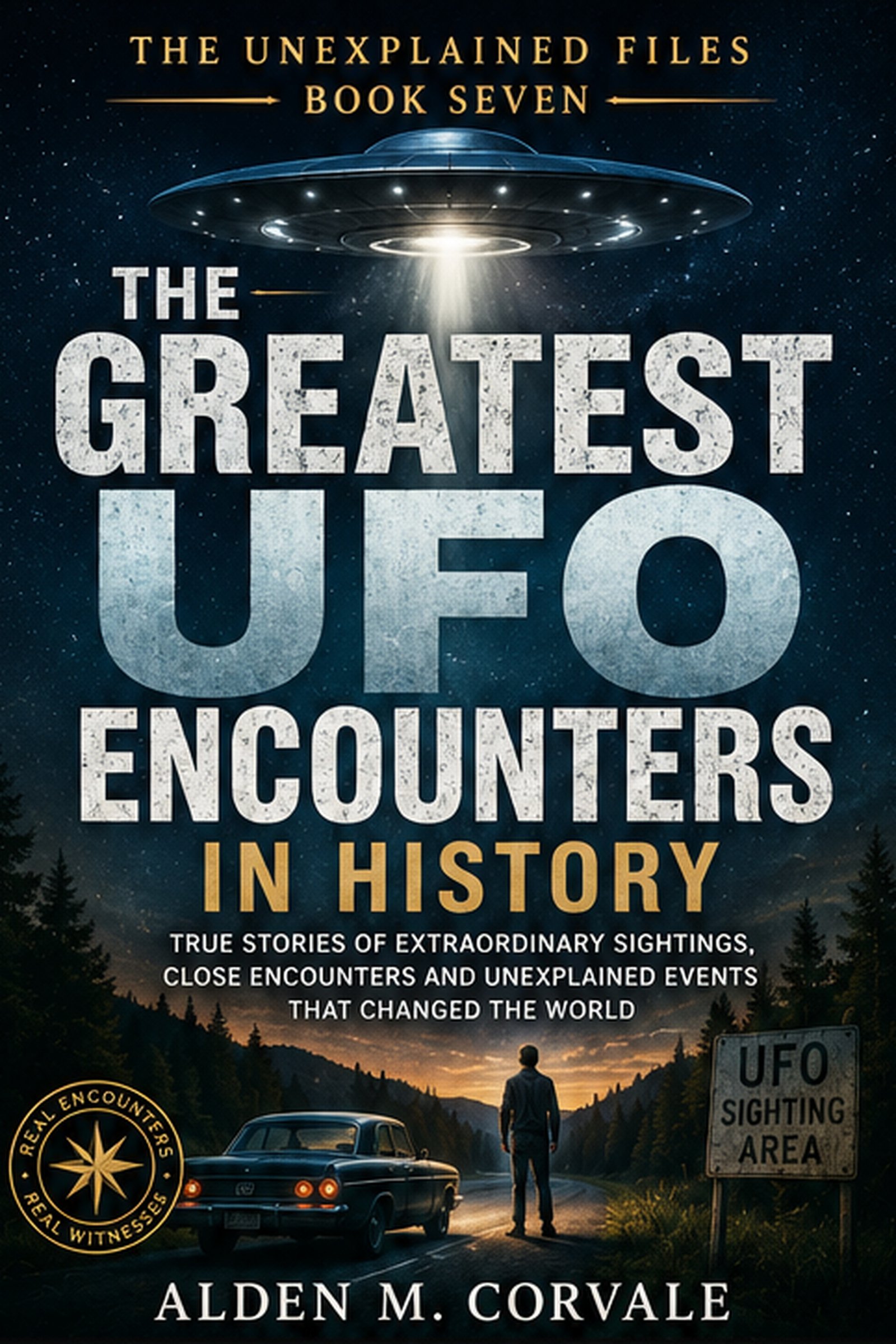
Revisit the UFO cases that shaped the phenomenon—from Kenneth Arnold and Washington 1952 to Socorro, Shag Harbour and the modern UAP era.

Separate the documented history of Groom Lake from the legend: U-2 spy planes, A-12 black projects, Cold War secrecy and the UFO mythology of Area 51.

Explore pyramids, pharaohs, temples, engineering, lost traditions and the archaeological discoveries still reshaping what we know about ancient Egypt.

Follow Atlantis from Plato’s original account through archaeology, catastrophe theories and the modern search for the world’s most famous lost civilization.
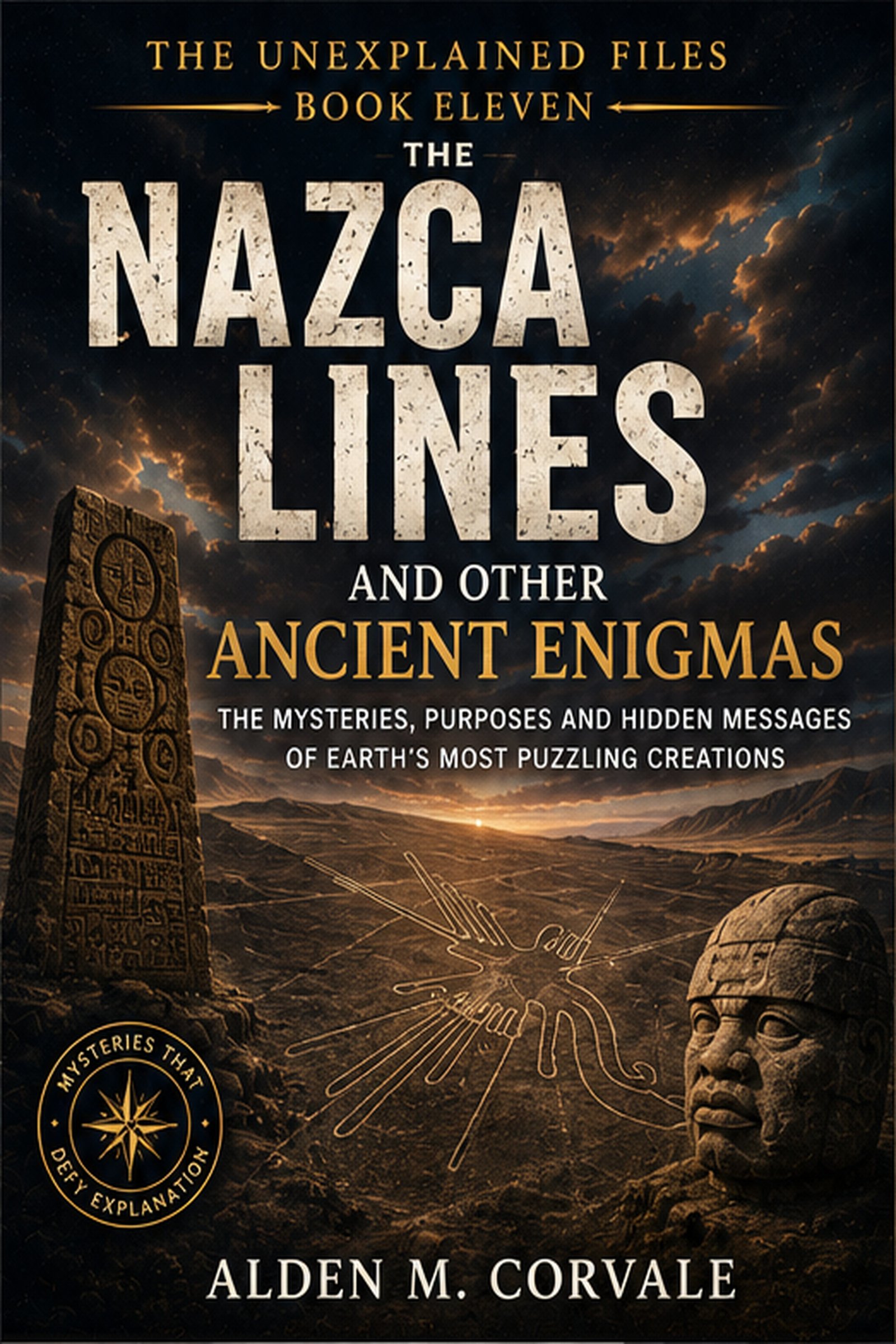
From Nazca’s giant desert figures to geoglyphs and monumental landscapes around the world, investigate why ancient people wrote on the Earth itself.

Trace gods, giants, flood survivors and legendary beings back toward the ancient texts, archaeology and cultural traditions from which the stories emerged.

Explore the Moon’s real scientific puzzles alongside Apollo controversies, strange images, hidden-structure claims, lunar myths and the new race back to the Moon.

Follow the search for life on Mars from Viking and ancient river valleys to Perseverance, Cheyava Falls, organic chemistry and the newest potential biosignatures.

Thirty discoveries that changed the story of the past, from 476,000-year-old woodworking and lost cities to unreadable scripts, hidden tombs and new archaeology powered by LiDAR, DNA and AI.

Discover ancient engineering that still surprises us, from the Antikythera Mechanism and Roman concrete to deep drilling, water systems, advanced materials and disputed 'impossible technology' claims.

Reopen the Bermuda Triangle's most famous case files, including USS Cyclops, Flight 19 and vanished airliners, and separate the documented losses from decades of legend.

Enter castles, prisons, battlefields, hotels and houses with enduring ghost legends, while separating documented history, eyewitness reports and paranormal interpretation.

Track Bigfoot, the Yeti, lake monsters, surviving thylacines and other cryptid claims through folklore, eyewitness testimony, DNA, ecology and the evidence required to establish a real species.

Examine near-death experiences through survivor accounts, cardiac-arrest research, neuroscience, out-of-body claims and the unresolved question of consciousness at the edge of death.

Explore consciousness from the hard problem and leading brain theories to anesthesia, dreams, psychedelics, split-brain research, the self and minds beyond ordinary human awareness.
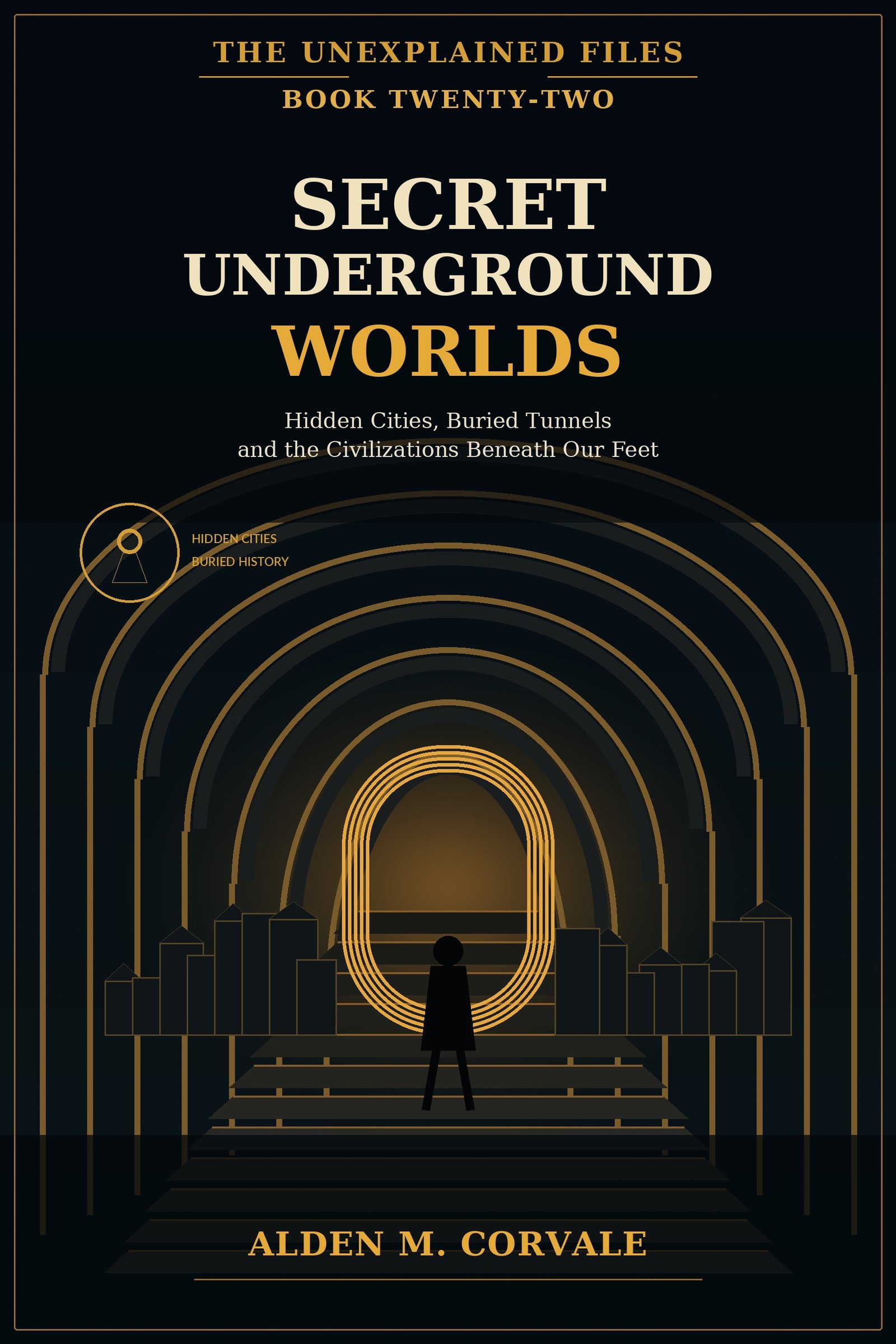
Descend into Derinkuyu, Kaymakli, catacombs, sacred tunnels, wartime networks and legendary inner worlds while separating real underground engineering from stories of hidden civilizations.

Follow the search for intelligent signals through the Wow! Signal, BLC1, pulsars, fast radio bursts, radio interference and the modern science of technosignatures.

Revisit the Hill case, Pascagoula, Travis Walton, missing time, bedroom visitors, hypnosis and the psychology of memory in one of the UFO era's most personal mysteries.

Go beneath Antarctica's ice with Bedmap3, subglacial mountains and lakes, then test the Piri Reis map, Nazi-base stories, Operation Highjump, Admiral Byrd and modern anomalies.
Dive into Doggerland, Pavlopetri, Thonis-Heracleion, Baiae, Port Royal and disputed underwater sites while learning how archaeology distinguishes a city from natural geology.

Investigate Versailles, Bold Street, lost hours and alleged encounters with other eras while comparing time-slip stories with relativity, memory, perception and modern digital evidence.

Examine Bostrom's simulation argument, digital physics, information limits, Planck-scale claims, quantum strangeness and the difficult question of how a simulated universe could ever be tested.

Test prophetic dreams, historical premonitions and laboratory precognition claims against coincidence, memory, statistics, replication research and the physics of future information.

The final numbered file brings thirty investigations together—from UAPs and lost civilizations to consciousness, life beyond Earth, death, time and the nature of reality itself.
Break repetitive worry and rumination, distinguish useful thinking from mental loops, and learn practical ways to move from uncertainty into action.
Learn to protect your time, energy and well-being with clear, respectful boundaries - without turning kindness into constant availability or guilt.
Understand why procrastination is more than laziness, then use small starts, better task design, implementation intentions and realistic systems to build momentum.
Understand the approval loop behind people pleasing, practice honest limits and make room for your own needs without abandoning kindness or connection.
Build confidence through evidence, practice and recovery rather than waiting to feel fearless, certain or naturally self-assured before you act.
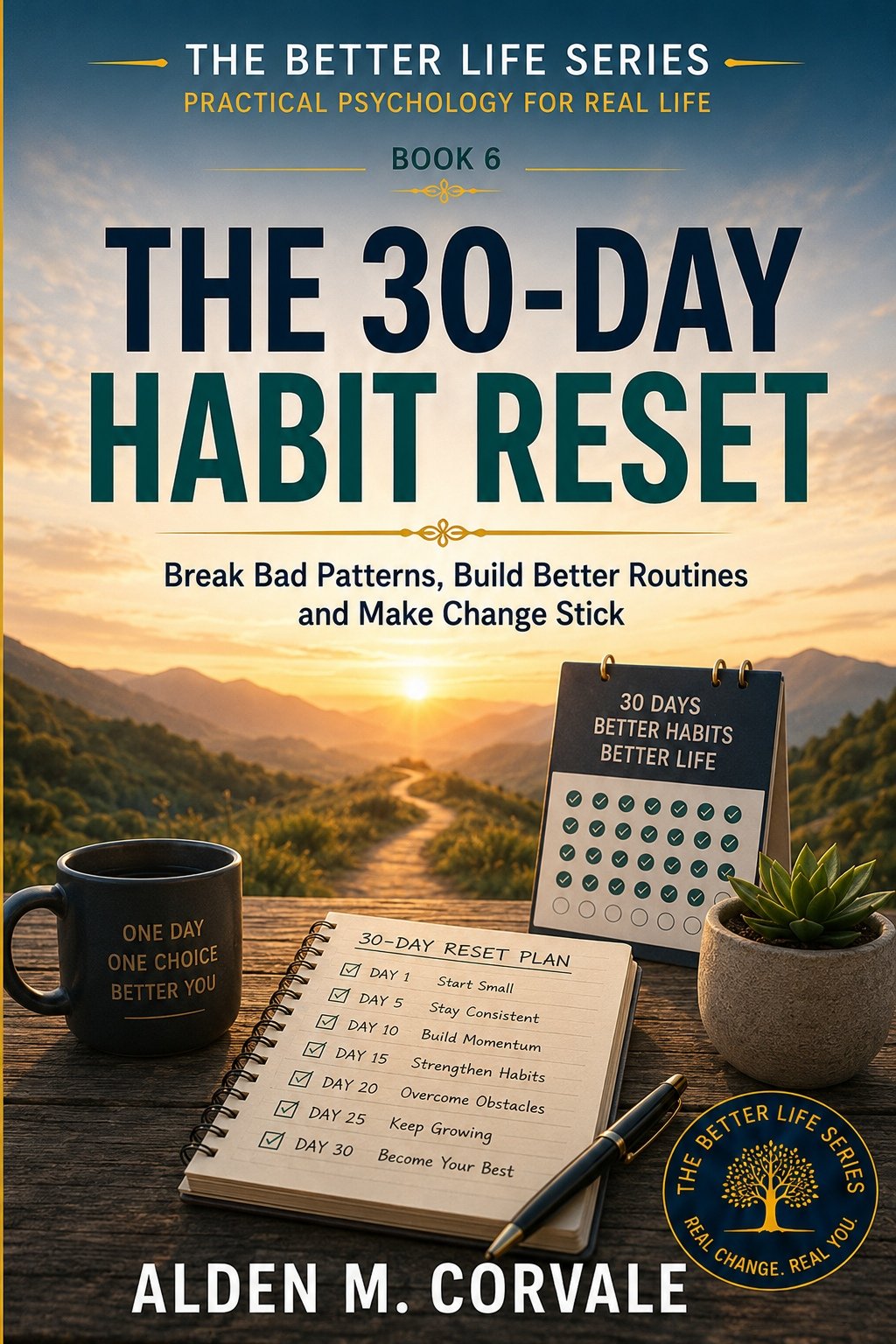
Use a practical 30-day reset to understand habit loops, redesign cues and friction, build better defaults and create routines that can survive imperfect days.
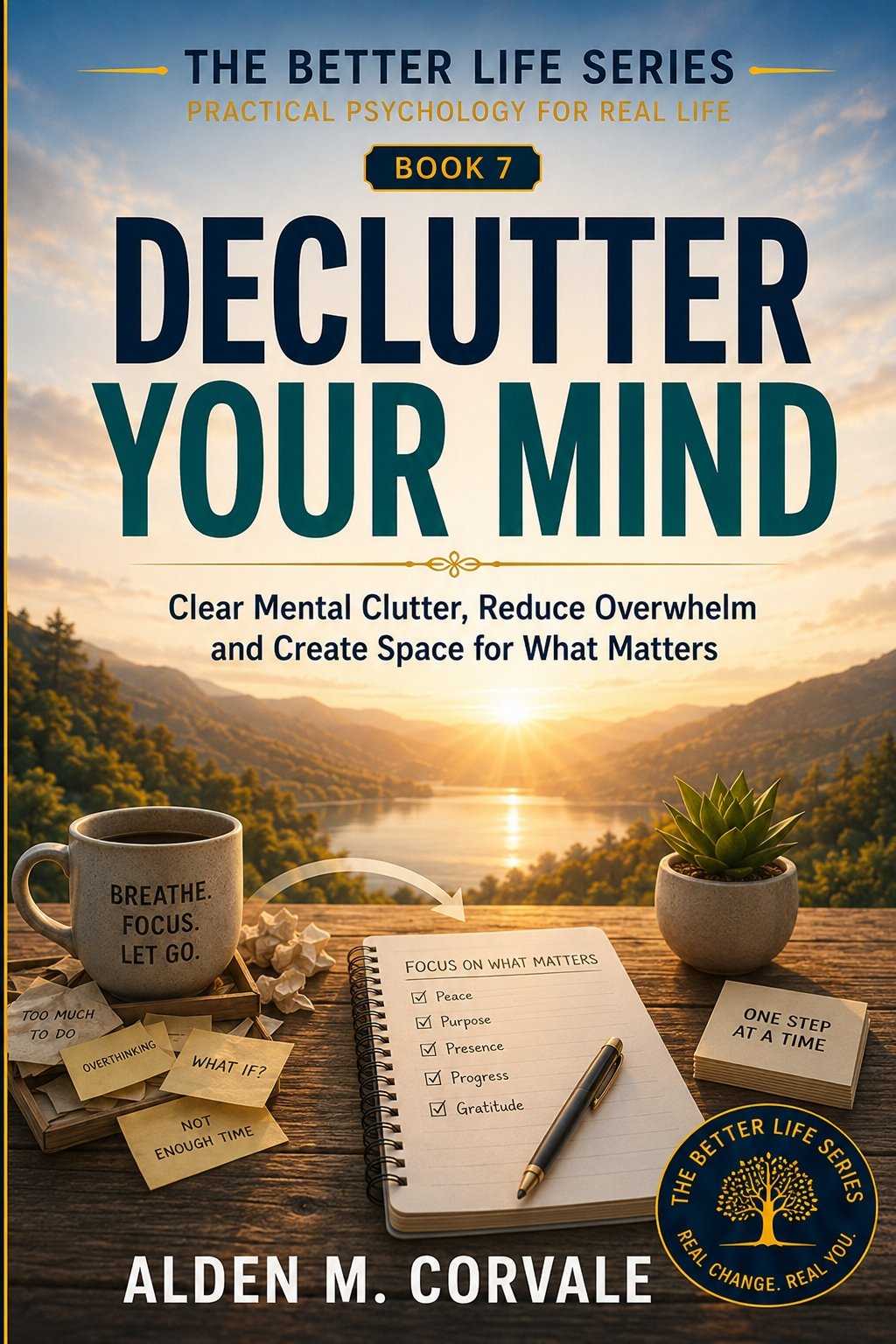
Reduce mental clutter by closing open loops, externalizing information, simplifying inputs and creating a trusted system for tasks, priorities and repetitive thoughts.
Redesign your relationship with phones, notifications, social media and digital input without pretending that modern life can simply be switched off.
Build a morning routine around sleep, chronotype, light, energy, planning and realistic defaults instead of copying one rigid early-riser formula.
Protect your limited attention with clearer priorities, fewer competing cues, better task design and a repeatable skill of returning when distraction wins.
Build practical emotional intelligence through self-awareness, more accurate emotion labeling, better regulation, empathy, listening and stronger relationship skills.
Use gratitude without toxic positivity: notice genuine value, build a sustainable appreciation practice and strengthen well-being and relationships without denying difficulty.
Replace unrealistic positivity with flexible, evidence-aware thinking that challenges unhelpful patterns, widens perspective and supports constructive action.
Build a healthier relationship with yourself through self-worth, self-compassion, realistic self-acceptance and repeatable behaviors that do not depend on perfect confidence.
Strengthen relationships through trust, clearer expectations, reciprocity, better communication and small repeatable behaviors that create safer, stronger connection.
Communicate with more clarity and confidence by improving intention, listening, tone, nonverbal signals, assumption-checking and difficult-conversation skills.
Manage commitments rather than chasing more hours: audit real time use, protect priorities, plan with buffers and match important work to available energy.
Understand the emotions and learned scripts behind money decisions, reduce comparison and scarcity-driven thinking, and build more deliberate financial confidence.
Replace permanent busyness with sustainable productivity: choose outcomes, reduce competing priorities, measure progress and build systems that survive ordinary days.
Treat purpose as a direction you build rather than one perfect calling: clarify values, test meaningful paths and create a life organized around what matters.
Understand how anxiety cycles work and build practical skills for calming the body, questioning anxious predictions, facing fears gradually and taking back everyday choices.
Build self-discipline without relying on constant motivation by designing better cues, minimum actions, environments, recovery rules and repeatable commitments.
Reduce unnecessary daily pressure, protect recovery and build a more sustainable balance between demands, energy, attention and the parts of life that matter.
Work with sleep biology instead of fighting it through better regularity, light, caffeine timing, wind-down routines, stimulus control and realistic sleep habits.
Notice comparison sooner, understand what triggers it and return to your own values, goals and self-worth instead of living by someone else's visible scoreboard.
Reduce the present-day grip of the past through practical work with rumination, grief, unanswered questions, boundaries, forgiveness, identity and new routines.
Strengthen resilience through recovery, flexibility, support, emotional regulation and practical action so setbacks become events you move through rather than identities you become.
Make stronger decisions by separating process from outcome, clarifying values, reducing bias, using premortems and creating stop rules for unproductive overthinking.
Bring more attention to real life as it happens through practical mindfulness, grounding, intentional pauses, digital boundaries and present-moment awareness.
Bring the full Better Life toolkit together through a whole-life audit, values, 90-day planning, sustainable habits, weekly reviews and deliberate life design.
The Cases That Changed the Hunt Serial murder is rare compared with homicide as a whole, yet a small number of cases have had an outsized influence on policing, forensic science, criminal psychology, media culture, and public fear. The reason is not simply that these offenders killed repeatedly.
The Question at the End of the File An unsolved murder is not an empty file. It is a file with an unanswered final question.
When the Evidence Stops A murder investigation begins with a terrible certainty: someone has died. A disappearance begins with uncertainty itself.
Justice Has a Long Memory A case file can become quiet without becoming dead. The phone stops ringing. A detective transfers.
Introduction - The Myth of a Single Killer Mind The phrase inside the mind promises certainty. Serial murder rarely gives it.
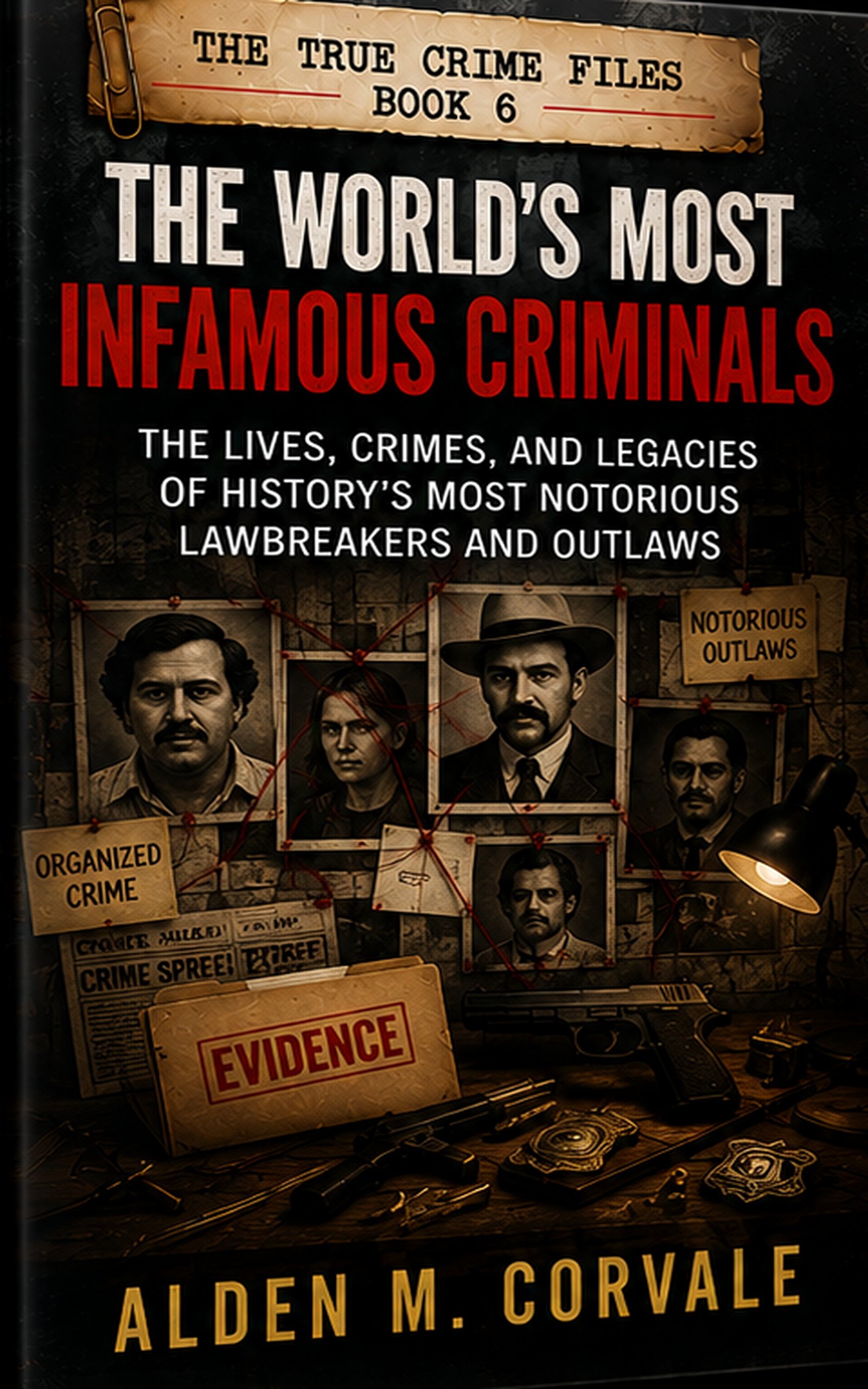
. CASE NOTE: Infamy is a cultural label. The strongest historical conclusions still depend on records, corroboration and legal outcomes.

Introduction - Love, Loyalty and Criminal Partnership A crime committed by two intimate partners presents a question that a single-offender case does not: what happened between them? A relationship can create opportunity, secrecy, validation, fear, dependency, competition, or a shared story in which acts that once seemed unthinkable become normal inside the pair.

Introduction - Beyond the Black Widow Myth Serial murder has long been imagined as overwhelmingly male, and in raw numbers that picture is broadly correct. Yet the rarity of female serial homicide has often produced a second mistake: assuming that women who kill repeatedly must share one special profile.
Desire, Fixation and the Refusal to Accept No Crimes of obsession are often told as stories of overwhelming emotion. This volume instead follows behavior: repeated unwanted contact, surveillance, grievance, preparation, coercive control, weapon access and the refusal to accept another person’s boundary.
The Missing Final Chapter Some disappearances begin with violence. Others begin with weather, machinery, navigation, illness, panic, or one private decision no witness ever saw.
When a Person Becomes Leverage Kidnapping is one of the oldest crimes and one of the most emotionally disruptive. A victim can be taken for money, leverage, ideology, revenge, control, exploitation, or reasons that make sense only inside an offender’s private logic.
When Biology Challenges the Story DNA did not enter criminal justice as a magical truth machine. It entered as a new way to compare biological material, first through labor-intensive profiling and later through highly sensitive short tandem repeat analysis, national databases, mitochondrial DNA, Y-chromosome testing, and, more recently, investigative genetic genealogy.
Behind the Front Door The most disturbing family crimes are often the ones that begin in ordinary rooms. A kitchen table, a school run, a family photograph, a mortgage, a holiday plan: all can continue to look normal even while fear, deception, coercion or violence is building behind the front door.
When Death Becomes a Transaction Money is one of the oldest motives in crime because it can transform death into a transaction. A life insurance policy can pay after a funeral.
When Emotion Enters the Homicide Law The phrase crime of passion is so familiar that it can sound like a diagnosis. It is not.
Behind the Walls Prison escapes occupy a strange place in crime history. They are stories about confinement and control, but also about institutional weakness, human error, improvisation and pursuit.
Behind the Myth The Mafia is one of the most mythologized criminal institutions in modern history. Films and novels have made its rituals, language and personalities familiar even to people who have never read a court record.
Introduction - The Business Behind the Crime Organized crime is often imagined as a single pyramid: a boss at the top, soldiers below, coded rituals, and a territory controlled through fear. That model describes some groups and some eras, but it no longer captures the full landscape.
Behind the Mastermind Myth The phrase criminal mastermind is irresistible. It suggests a person several moves ahead of investigators, cool enough to plan complex crimes and intelligent enough to keep everyone else under control.
Introduction - The Heist and the Aftermath Heists are among the most cinematic crimes because they compress risk, money and suspense into a single event. Yet the public usually sees only the middle of the story.
Introduction - Behind the Label Cults are often portrayed as strange worlds separated from ordinary life. In reality, the most dangerous systems use familiar human needs - belonging, certainty, love, status and purpose - then attach those needs to unaccountable authority.