Continue with Book 13: Dark Family SecretsDark Family Secrets
When Biology Challenges the Story DNA did not enter criminal justice as a magical truth machine. It entered as a new way to compare biological material, first through labor-intensive profiling and later through highly sensitive short tandem repeat analysis, national databases, mitochondrial DNA, Y-chromosome testing, and, more recently, investigative genetic genealogy.
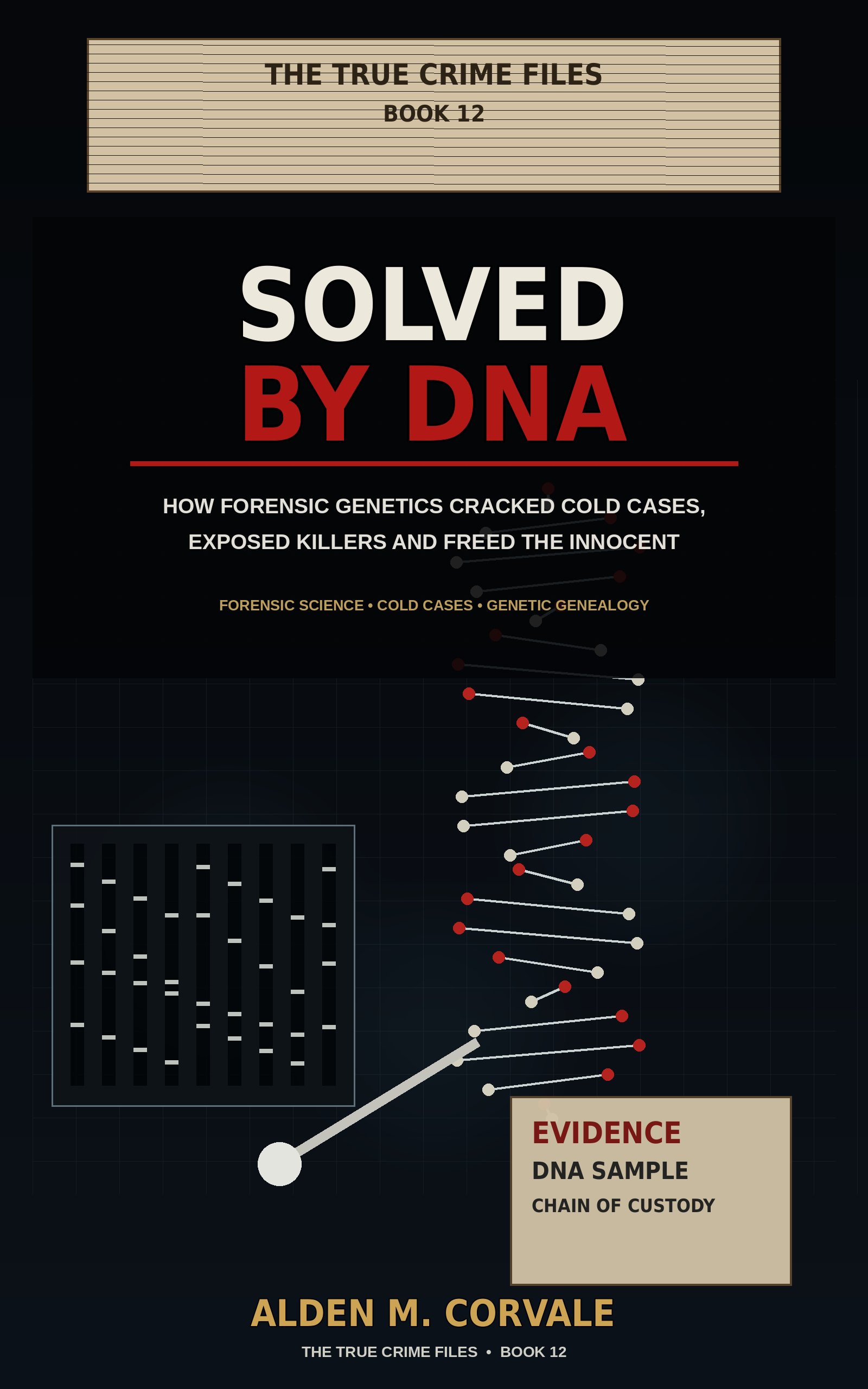
Solved by DNA explores how Forensic Genetics Cracked Cold Cases, Exposed Killers and Freed the Innocent.
This volume in The True Crime Files examines documented cases through evidence, investigation, legal outcomes and historical context rather than sensationalism. Key themes include DNA, Forensics, Forensic Genetics, Cold Cases, Wrongful Convictions.
The Genetic Revolution in Criminal Investigation
Alec Jeffreys, Richard Buckland and the First DNA Exoneration
Colin Pitchfork - The First Murderer Convicted Through DNA Profiling
From Individual Casework to CODIS
Cold Evidence - Why Preservation Can Matter More Than Prediction
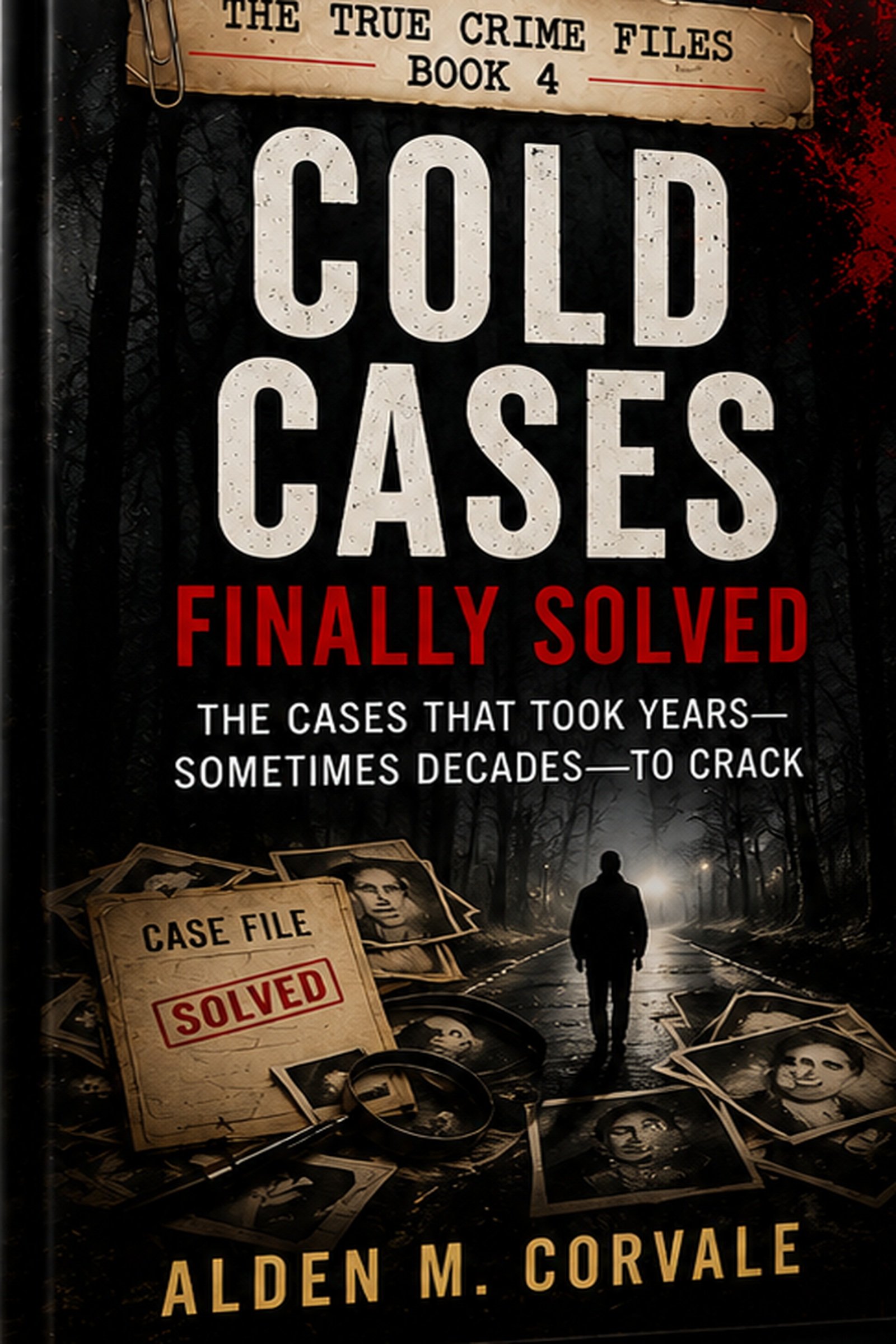
Justice Has a Long Memory A case file can become quiet without becoming dead. The phone stops ringing. A detective transfers.
Behind the Front Door The most disturbing family crimes are often the ones that begin in ordinary rooms. A kitchen table, a school run, a family photograph, a mortgage, a holiday plan: all can continue to look normal even while fear, deception, coercion or violence is building behind the front door.
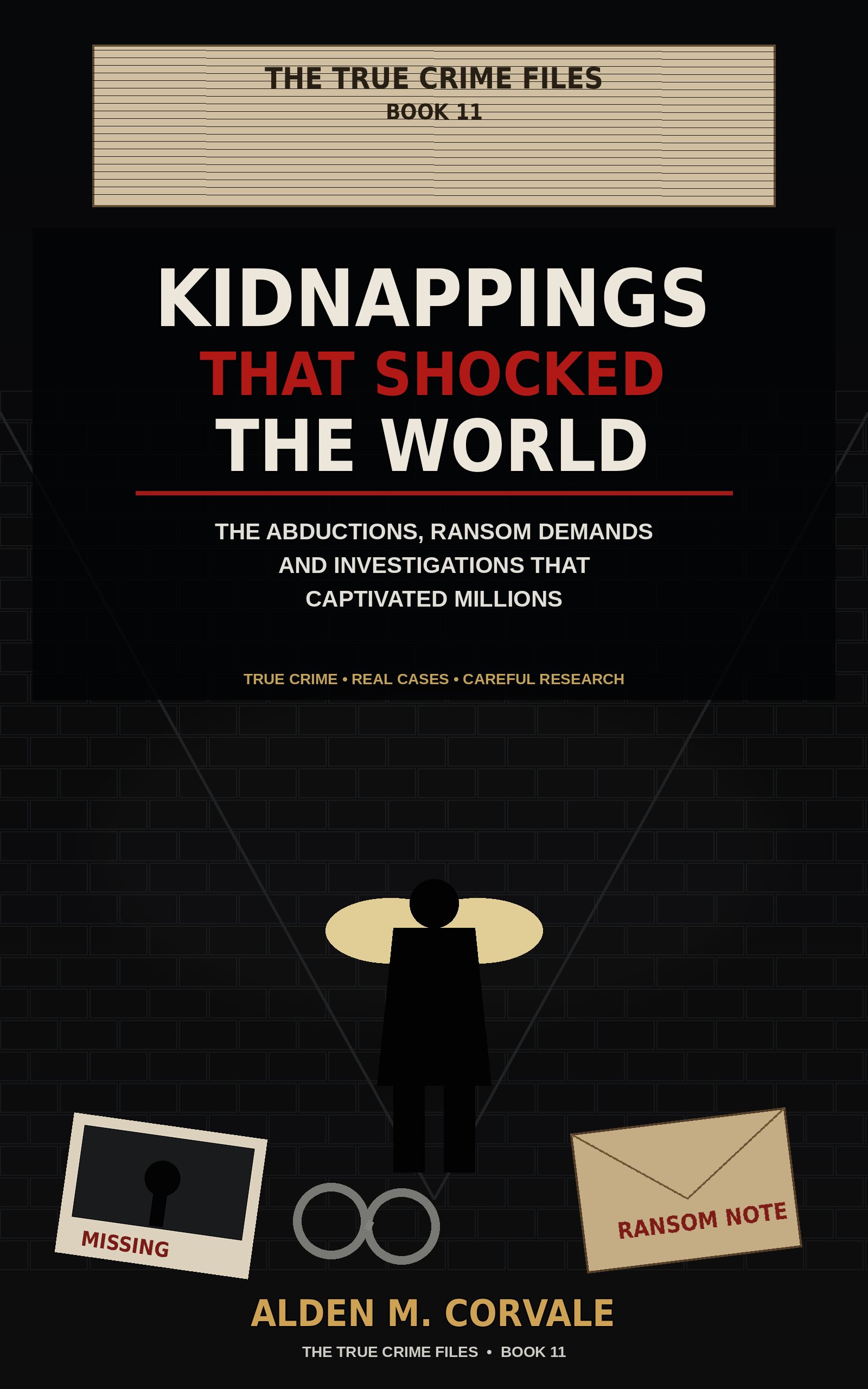
When a Person Becomes Leverage Kidnapping is one of the oldest crimes and one of the most emotionally disruptive. A victim can be taken for money, leverage, ideology, revenge, control, exploitation, or reasons that make sense only inside an offender’s private logic.
Introduction - The Heist and the Aftermath Heists are among the most cinematic crimes because they compress risk, money and suspense into a single event. Yet the public usually sees only the middle of the story.
No published reader reviews yet.